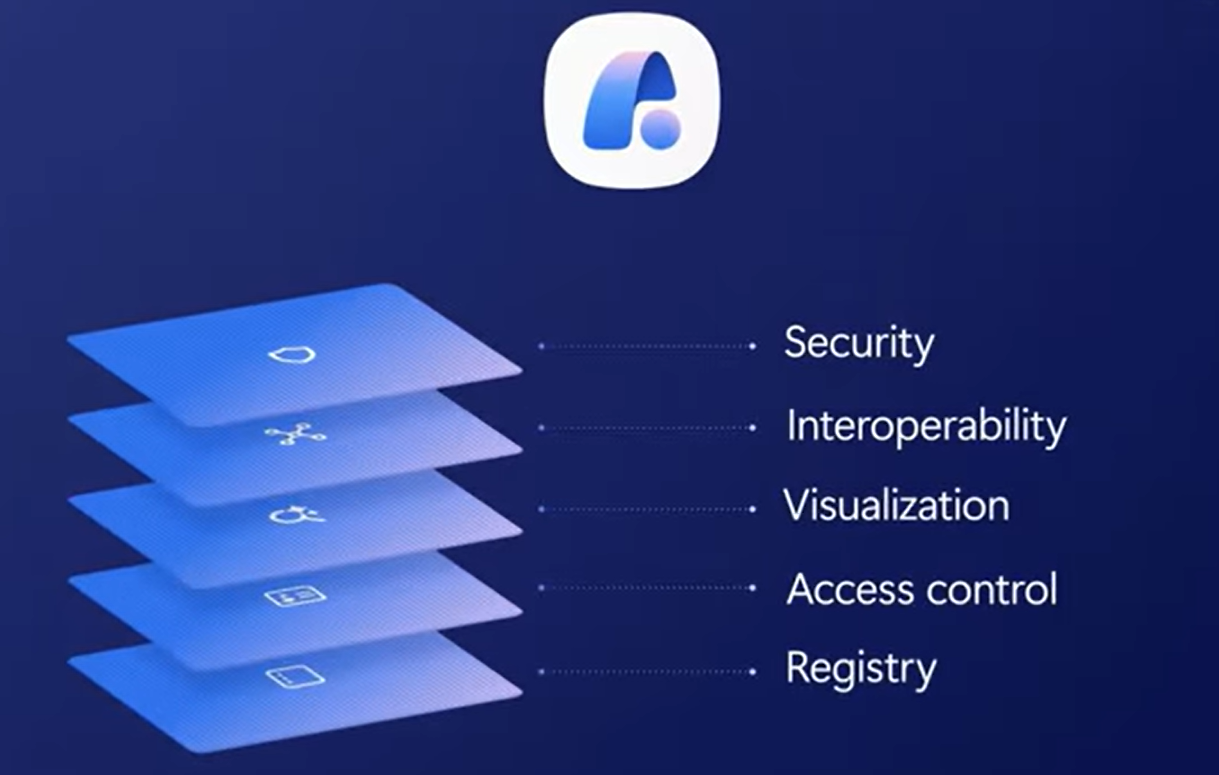

When Microsoft first unveiled Agent 365 at Ignite in November 2025, it felt like the beginning of the next phase of agent readiness – the moment where “agents” stopped being a developer experiment and started becoming a first‑class citizen inside Microsoft 365.
Until now, other than a early version available to test for organisations enrolled in the frontier (early access) program, the details around how it will actually work have been thin, the roadmap in-complete and leaving us guessing, and the commercial pricing model missing entirely!
At the Frontier Transformation event on Monday 9th March, we finally got to learn how this is all going to work, integrate and cost….
What is Agent 365?
Microsoft positions Agent 365 as an integrated control and access plane for enterprise‑grade AI agents.

You can think of this as the governance, identity, and lifecycle backbone that allows organisations to deploy AI agents responsibly. Rather than rogue scripts and ‘have a go agents’, they will be treated by Microsoft as autonomous digital users and each will get similar properties and controls that human users get including:
- Directory identity
- Lifecycle management
- Observability
- Access control
- Policy enforcement
Agent 365 is the Entra ID management pane for AI agents
Agent 365 will be foundational – sitting alongside Microsoft Entra, Purview, and Defender as one of the core pillars of Microsoft’s AI‑ready enterprise stack.
It will be the layer that turns organisational demo and “give it a go” agents into operational, line of business and governable assets.
Agent 365 – Availability and Pricing
Microsoft have confirmed that Agent 365 will hit general availability on May 1st 2026, priced at $15 per user per month. It’s also included within the newly announced Microsoft 365 E7 suite.
I have included what I know about licensing below – note – there are still a few details that I feel are a bit confusing.

Agent 365 Licensing
At General Availability of Agent 365 on 1 May, 2026 human users will be licensed by Agent 365 license at $15 per user per month (or included within M365 E7). All Agents acting on behalf of a licensed will be covered by the license, meaning that Agents themselves will not require their own Agent 365 or Microsoft 365 E7 licence
Included in the license, the Agent 365 license gives each AI Agent its own Microsoft Entra Agent ID for identity, lifecycle, and access management, and allows Agents to be observable and managed in the Microsoft 365 Admin Center.
This does leave the question – what happens to agents that autonomus and can be used without human supervision or thise not running on behalf of a user? I am still yet to see detail about this….. If you know – please let me know in the comments.
Getting Started with Agent 365
Organisations enrolled on the Frontier Programme can still claim (until GA), 25 free Agent 365 licences which are valid for use until December 2026.
Microsoft has said GA will not impact existing Frontier users, but at the same time they have not clarified if the entitlement window will stay open after May 1st (I would hope it would!)
If you or your organisation are experimenting with agents (ones you have built not just using Copilot Chat), or even thinking about it, it is worth enabling these now whilst they are available for “free trial”. It is by far the easiest way to get these and test it out while Microsoft clarifies the commercial model.
Why Agent 365 (will) Matter
Despite the licensing and commercial questions, the strategic importance of Agent 365 is undeniable as we move towards a world where humans and digital agents will work together on a one-to-one, one-to-many and many-to-one environment.
Agent 365 is not just about Microsoft built or Microsoft powered agents either. It will work with Microsoft 1st Party, organisational built and third-party (other vendor) built agents – providing the layer of visibility, governance and controls organisations need and have been asking for.
Rather than just talking about Copilot Co Work, new models and features, Microsoft is putting security, governance and compliance at the forefront of AI and giving organisations a formal, governed, identity‑aware way to deploy agents that:
- Can act on behalf of the user and organisation
- Interact with Microsoft 365 data and connected sources (Work IQ)
- Follow corporate policy
- Are observable and auditable
- Can be lifecycle‑managed like any other digital identity
In short Agent 365 will provide the missing piece that bridges the gap between:
- Chat-based AI
- Agentic workflows
- Fully autonomous digital workers
Timing is also really important as it is arriving along with Copilot Co‑work at a time where the broader agentic ecosystem start to mature.
Closing Thoughts
Agent 365 is the right product at the right time and will be needed. It will be the governance layer that businesses using agents desperately need as AI shifts from “assistant” to “actor”.
But Microsoft needs to urgently clarify:
- What the $15 actually entitles provides
- How capacity is measured
- How many agents an organisation can realistically run
- Whether licensing scales with users, agents, or both
Right now, it does feel like the commercial model is still catching up with the technology.
Microsoft have never been known for simple and easy licensing have they? Butfor organisations to adopt it with confidence, the licensing story needs to be as clear as the technology vision.
I’ll be watching this closely — and updating this post (or a new one) as Microsoft fills in the gaps.

Leave a Reply