

AI is moving through one of its biggest shifts yet – from simple chatbots that answer questions to intelligent agents that take action, and now to fully fledged digital employees capable of handling end‑to‑end workflows. This evolution isn’t just a technical upgrade; it’s a fundamental change in how organisations design work, deliver services, and scale productivity. As businesses look to automate more processes and empower their people with smarter tools, the rise of AI agents and digital employees is quickly becoming the next major frontier in modern work.
This isn’t just about automating tasks; it’s about creating a “digital labour” force that work with and for us and will fundamentally reshape work places and organisations and it is starting to happen faster than many realise. Microsoft call these Frontier Firms but in reality it’s what businesses will likely all look like a decade from now!
From Copilot to Colleague
The journey began with AI assistants designed to make humans better at their jobs. But the real transformation is happening now, as we move through two distinct stages:
- The Evolved Assistant: Today’s AI is more than a chatbot. It can connect conversation to action. For example, when an employee asks for a new laptop, the AI can analyse their role, suggest the best model, and pre-fill the order form in ServiceNow, all within a single chat. It closes the loop, allowing users to manage entire processes without ever opening a backend system.
- The AI Teammate: This is the next frontier. An AI teammate is an agent with its own identity, appearing in the company’s org chart and reporting to a human manager. Imagine a digital solicitor named “Alexis” who can be assigned a contract review. Alexis securely accesses the relevant documents, performs the review, flags critical issues, and even suggests next steps. The human manager’s role shifts from doing the work to directing and supervising their digital team member.
Managing Digitial Employees
This evolution demands a new kind of leadership. Instead of assigning tasks to people, managers will oversee “fleets” of agents. Their role will be to:
- Define Skills: Break down business processes, like employee onboarding or financial closing, into a set of skills.
- Embody Skills in Agents: Assign these skills and the necessary system access to an AI agent’s identity.
- Manage by Exception: Oversee the performance, cost, and security of the agent fleet, stepping in only when issues arise.

This model is powered by key technologies like advanced GPT-5 and Anthropic models and durable execution platforms that allow tasks to run for weeks.
Digital and human employees will sit in the same org chart, managed by the same controls, governance and rules.
It also needs strong enterprise identity frameworks that let AI agents be managed with the same rigour as human employees. Why? Because accountability is key and for that we need management and governance!
In this “future”, each Digital Employee will have a “job description,” performance metrics, and escalation paths, just as a human worker would. Supervisors monitor their activity through dashboards and audit trails, ensuring transparency and compliance.
Governance, Accountability, and Future of Jobs
With great power comes the need for robust governance. Accountability of what these digitial employees do must be built directly into this new structure.
In this future state (which is happening now), every agent is assigned a human manager who is responsible for its actions and behaviour. All agent activities, from tool usage to data interactions, are fully traceable and auditable, just like a human employee.
- Rather than eliminating junior roles, this AI-driven approach is raising the bar for productivity.
- New hires will still be essential, but they will be expected to leverage AI to tackle more sophisticated work from day one.
- The focus is shifting from afear of job replacement to adapting to a new standard of performance where human expertise is amplified by AI.
To manage, audit, and control these digital employees effectively, organisations will need different tools, controls and an approach. This will take time to build and will feel a bit wierd I expect! Above all what will be critical is:
- Governance frameworks defining ownership, permissions, and ethical boundaries as well as how to handle digital (or human) bias.
- Identity and access controls to track actions, access control, “cost” and prevent misuse as well as ensuring that there are controls to “turn things down or off as needed”.
- Operational telemetry for performance, error rates, and hand‑off analytics.
- Training and version management to ensure agents evolve safely and consistently.
- Human oversight loops for exception handling and continuous improvement.
- An off switch – well you know!!
Together, these elements turn digital employees from isolated automations into accountable, auditable members of the workforce – managed with the same rigour as their human counterparts.
The Question of Economics
This new digital workforce also introduces new economic questions.
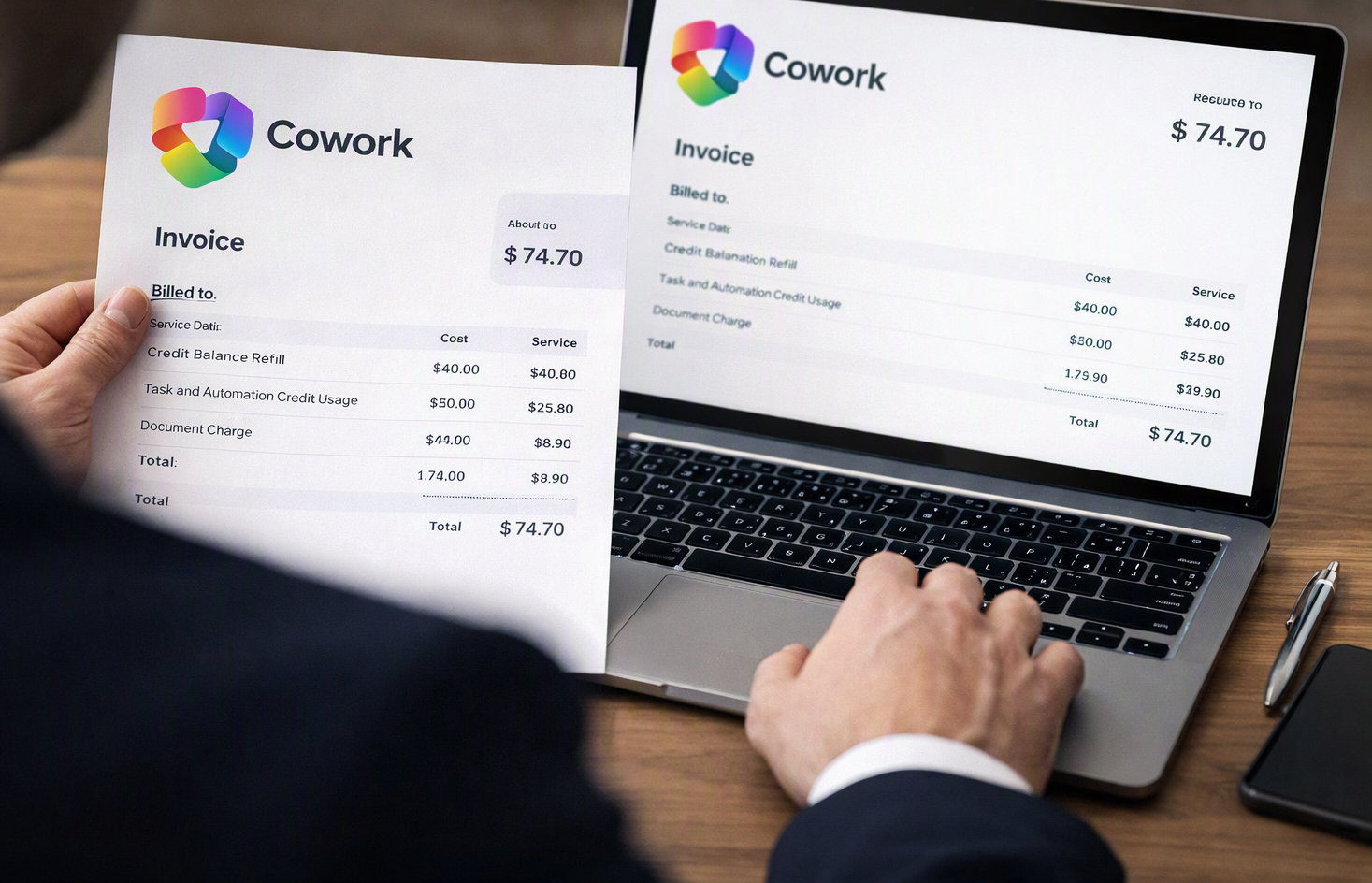
If an AI agent performs billable work, should a client be charged for it? While transparency is crucial today, billing for AI-driven work may soon become standard practice, with every action traced back to the agent’s digital identity.
This creates a persistent, accountable, and skilled digital employee, ready to transform the way we work.
Where is this already happening?
Some of what are known as “frontier” firms are already doing this. Microsoft talk about these leading-edge firms that are pushing the boundaries and leveraging the technologies available in M365 Copilot and Agent 365 to create assistants that work with us autonomously – mainly for high volume admin work, but still work that is chargeable and adds value to the human manager/leader.
This week, I am to get more practical examples at an AI dinner I am hosting with my MD at Cisilion. We will be looking for examples of this, just how far its coming and who (if any) have digital hiring on the agenda.
Leave a Reply