

Microsoft has that for European and EU region organisations using Microsoft Copilot: Anthropic Claude models are coming inside the Microsoft EU Data Boundary before 2027! 🍾🥂🎉
And for organisations that have been waiting for this, particularly government, councils, public sector and heavily regulated industries, this is a pretty big deal and something I’m asked about weekly!
Microsoft says that by the end of 2026, organisations in the EU and EFTA will be able to use Claude across Copilot experiences, including Copilot Cowork, while processing takes place within Microsoft’s established EU Data Boundary. This means interactions with Claude will also now fully be covered under Microsoft Enterprise Data Protection.
That’s important because, until now, there has been an uncomfortable choice and a reason (perhaps) to um and arrr about investing in Microsoft Copilot at work!
The problem with model choice
One of the increasingly important capabilities within Copilot is that of model choice an in honestly, it’s one of the biggest benefits but also area of criticism. Whilst Microsoft are often critiqued to be “a wrapper for other people’s AI” this is not the case. Microsoft do have many of their own models which are exposed mainly in their development tools like Copilot Studio, GitHub Copilot and Foundry, but leverage the hyperscale frontier models from Open AI and Anthropic as an example through their harness… That’s a word to look out for by the way.
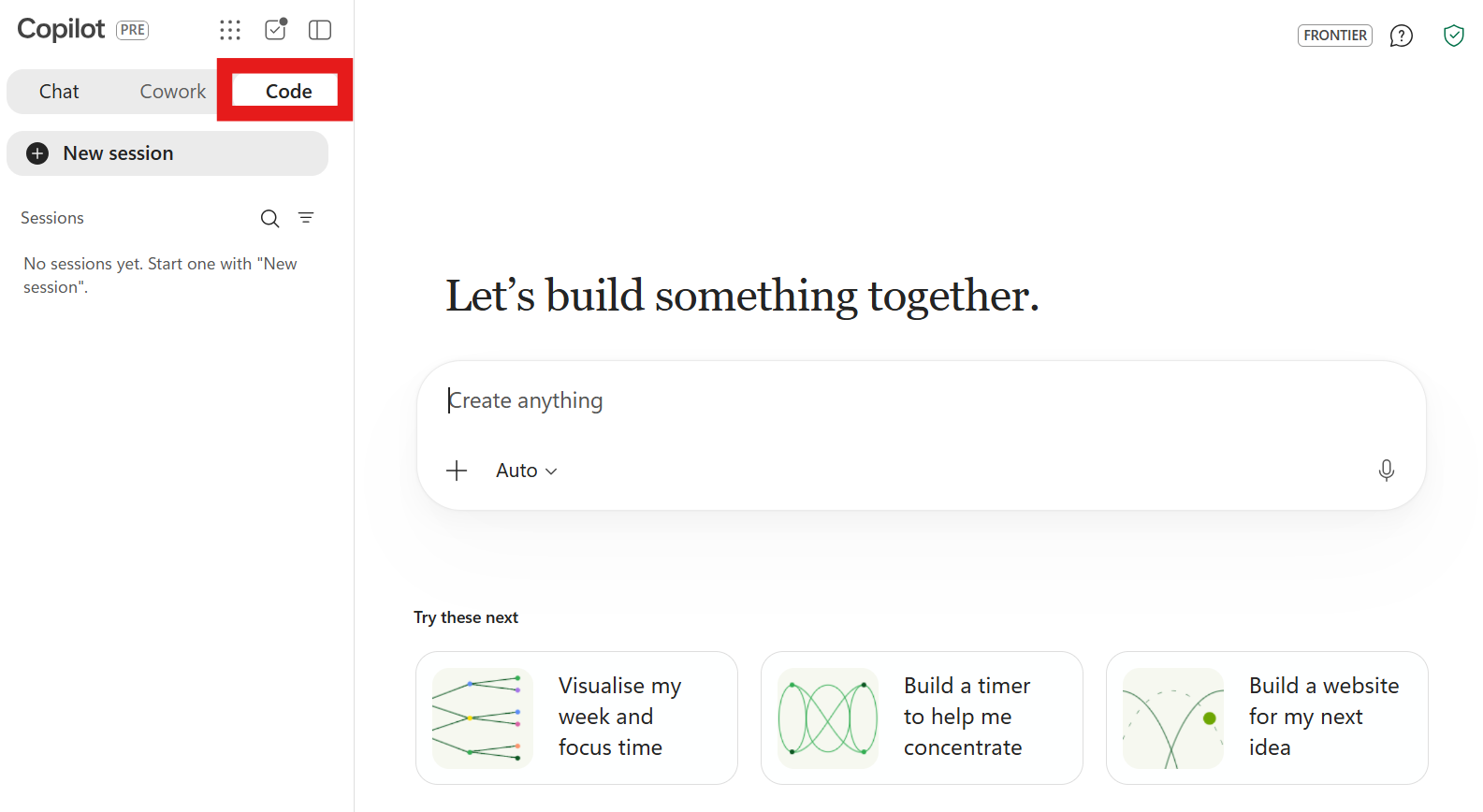
If we take M365 Copilot as an example, Microsoft’s multi-model approach means that rather than every request being dependent upon one model family, Microsoft is increasingly bringing models from different providers into the Copilot experience. Claude already powers experiences including Copilot Chat, Copilot in Microsoft 365 apps, Copilot Cowork and Copilot Code.
Different models have different strengths, so giving business, people and agents access to the right model for a particular job is potentially very powerful and also helps with cost control [tokenomics].
But there has been a catch for European customers who have had to balance data sovereignty vs. model choice.
Microsoft’s announcement explicitly says customers will no longer need to choose between accessing Claude models and maintaining the Microsoft regional data-processing commitments they depend upon.
That’s the bit that matters.
Why this has been a long time coming
For many organisations, especially those working in areas such as government, local authorities and regulated industries, where data is processed can be just as important as what the AI can actually do.
Microsoft’s EU Data Boundary is their commitment to store and process data for Microsoft 365 and other online services within the EU and EFTA. Microsoft says this will exceed current regulatory requirements and, for eligible Microsoft 365 customers, forms part of its contractual commitments without requiring an additional purchase or opt-in.
Anthropic Models like Claude has been the awkward exception.
Current reporting against Microsoft’s documentation notes that Claude processing has been excluded from the EU Data Boundary, which helps explain why this has been a difficult proposition for European organisations with stringent data residency and compliance requirements.
The removes that conflict once the new processing arrangements go live.
That doesn’t automatically make Claude appropriate for every workload or organisation, of course. Organisations will still have their own governance, privacy, risk and compliance assessments to undertake.
But it removes a significant architectural and governance obstacle.
What is changing and when.
Microsoft have said that by the end of 2026, Claude model processing for organisations in the EU and EFTA will move within the EU Data Boundary.
Microsoft also confirmed that:
- Claude will sit alongside other models already processing data within the EU Data Boundary.
- Claude within Copilot remains covered by Microsoft’s enterprise data protection.
- Customer data is not used to train generative AI foundation models
- IT / AI Administrators remain in control of who can use Claude models.
- Organisations already using Claude won’t need to do anything. Processing will move automatically once the capability becomes available.
- For organisations that haven’t enabled Claude, the setting remains disabled by default in the EU and EFTA, with administrators able to enable access for everyone or selected users and groups.
Microsoft hasn’t yet provided a precise availability date beyond “by the end of 2026”, so this is an announced change rather than something European administrators should assume is already in effect. I expect more will be announced at Ignite in a couple week.
Why this could unlock Copilot adoption
I think the bigger story here isn’t really Claude itself.
It’s what happens when model choice no longer means making different compromises around regional processing.
For organisations such as councils, government departments, financial services organisations and other regulated bodies, that potentially makes it much easier to evaluate multi-model AI within an existing Microsoft 365 governance framework.
Instead of the conversation being:
“This model might be better for this task, but where does our data get processed?”
it can increasingly become:
“Which approved model is best suited to this task?”
That’s a subtle but important shift.
This becomes even more important as Microsoft moves Copilot beyond chat and further towards agents and agentic working, where different models can potentially be selected for different tasks.
My take
This has been a missing piece in Microsoft’s multi-model Copilot story in Europe and for many of our customers that are bound by this requirement.
Model choice is great, but for organisations with strict data residency, sovereignty and governance requirements, choice only becomes genuinely useful when every available option can fit within the organisation’s compliance framework.
Bringing Claude processing inside the EU Data Boundary doesn’t remove the need for organisations to undertake their own governance and risk assessments, but it does remove one significant reason why some European organisations may previously have decided simply not to enable it.
And for highly regulated industries and the public sector in particular, that could make Claude – and Microsoft’s wider multi-model Copilot strategy – considerably easier to adopt.
Leave a Comment